ACEBag™
Geotextile Bags, Tubes and Containers
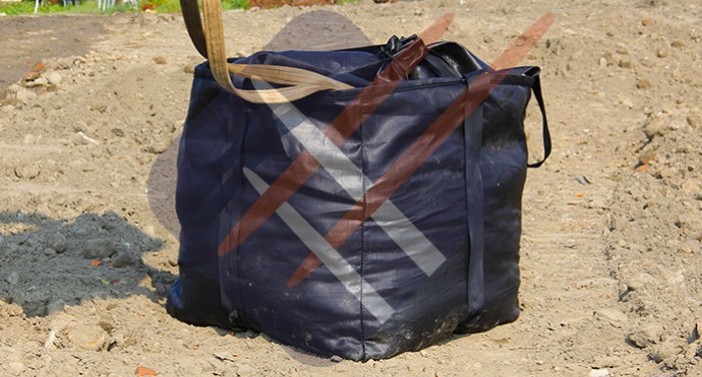
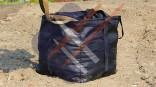
ACEBag™- PP Woven geotextile sand bags with high grade fabric, strong handler loop and robust sewing thread possess great loading capacity
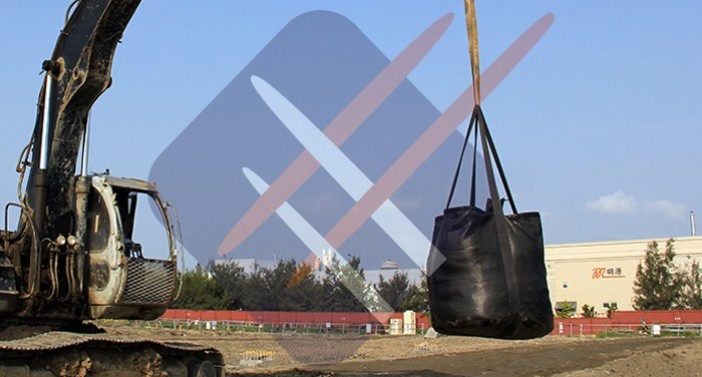
Geotextile bag with excellent filtration, durability, resistance against UV, abrasion and chemicals
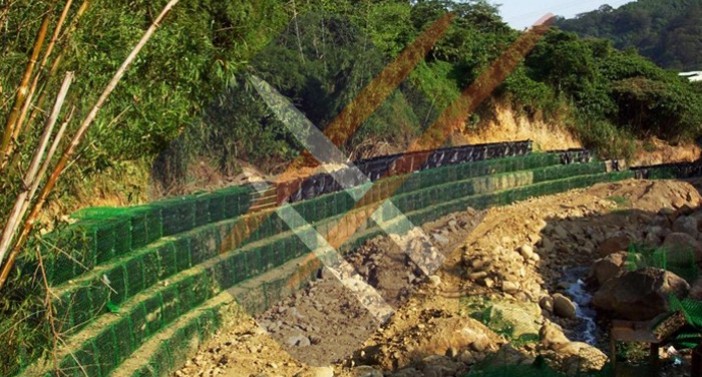
Applicable to coastal erosion control and protection
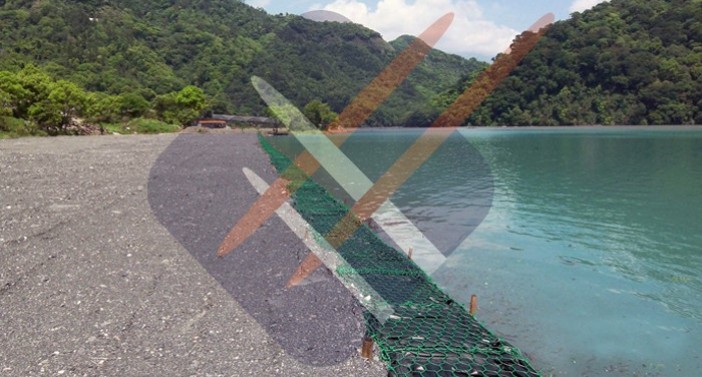
Cost effectiveness and ecological friendliness

About
Geotextile Sand Bags for Coastal Erosion Control
ACEBag™ geotextile bags are high-performance geotextile sandbags, also known as geobags, bulk bags, or load stabilization bags, engineered for erosion control, slope protection, and load stabilization in hydraulic and geotechnical applications. The benefits of geotextile bags include superior performance, cost-effectiveness, and environmental sustainability across a range of projects. Geotextile bags are constructed from woven and/or non-woven geotextile fabric and are filled with sand on-site for various applications. Designed for both temporary and permanent structures, ACEBag™ provides a flexible, cost-effective solution for shoreline protection, river training, and environmentally sensitive areas.
Manufactured using high grade ACETex® woven and nonwoven geotextile fabric, ACEBag™ geotextile bags are suitable for coastal, riverine, and construction environments exposed to storm damage, seawater, and long-term UV exposure. Non-woven geotextile fabric offers excellent filtration and drainage properties, making it ideal for environmental and civil engineering projects. The mechanic properties of ACEBag™ include customizable seam types and features to meet diverse engineering requirements. Geotextile bags are available in different colors, dimensions, and mechanical properties to meet diverse project engineering needs.
Function

Containment
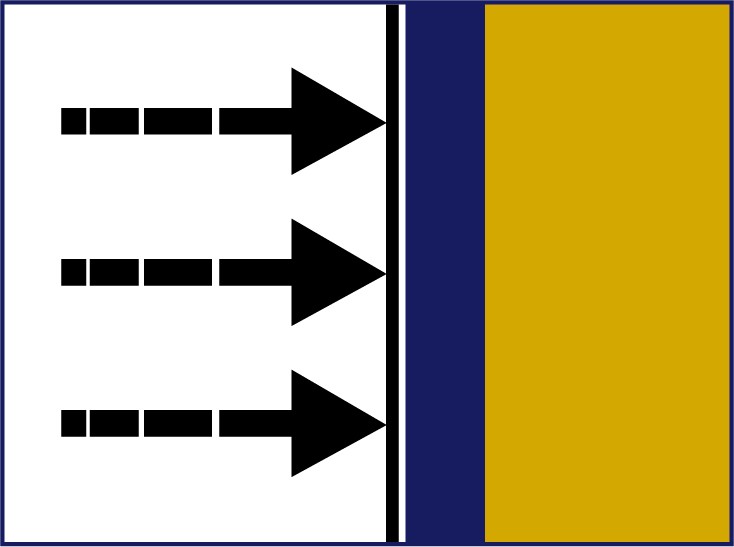
Protection
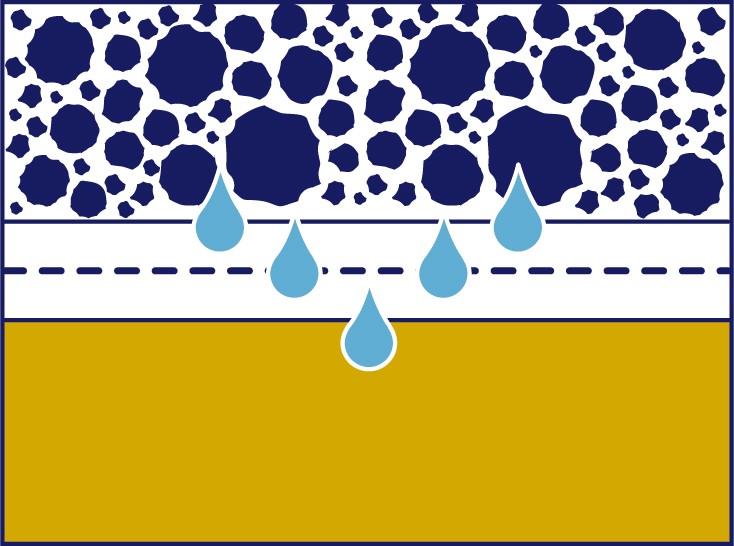
Filtration
Features
Types of Geotextile Materials
Selecting the right geotextile material is essential for the success of any erosion control, dewatering, or filtration project. Geotextile sandbags are crafted from advanced materials designed to withstand challenging environments, deliver long-term durability, and provide efficient solutions for a wide range of hydraulic and geotechnical applications.
The two primary types of geotextile materials used in the construction of geotextile sandbags are nonwoven geotextile fabric and woven geotextile. Nonwoven geotextile fabric is highly valued for its excellent permeability, flexibility, and resistance to biological degradation. This material allows water to pass through while effectively trapping sediment, solids, and contaminants, making it ideal for use in environmentally sensitive areas and for applications such as dewatering tubes and slope protection. Nonwoven geotextile sandbags are often filled with in situ materials like sand or soil, providing a cost-effective and efficient barrier against erosion and storm damage.
Woven geotextile, in contrast, offers superior tensile strength and is less permeable than nonwoven fabric. This makes it particularly suitable for demanding construction projects where high load capacity and structural integrity are required, such as dams, shoreline protection, and other hydraulic structures. Geotextile sandbags and geotextile tubes are engineered to deliver reliable performance in situations where long-term durability and resistance to UV exposure are critical.
Flexible and Cost-Effective Construction Using In-Situ Materials
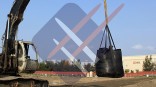
ACEBag™ geotextile bags (bulk bags) are typically filled with in-situ materials such as sand, soil, silt, or dredged sediment. This approach significantly reduces the need for imported rock, steel, or concrete, minimizing transportation, shipping, and disposal costs while lowering overall carbon emissions. By using geotextile bags, clients save money compared to traditional materials due to lower supply and deployment expenses. When filled with dredged sediment, geotextile bags are widely used in dredging operations for environmental remediation, sediment management, and the creation of new land foundations or artificial reefs. Geobags are generally more affordable and easier to transport than concrete barriers, and for large-scale projects, they are often shipped or stored on pallets for efficient handling.
Through simple stacking and deployment, ACEBag™ geotextile sandbags (geobags) can rapidly form barriers, revetments. ACEBag™ load stabilization bags are also for erosion mitigation, drainage control, and hydraulic structures. The system is especially effective for projects requiring fast construction under limited access or emergency conditions. Geotextile bags are also more economical and require less maintenance than traditional construction methods.
High Load Capacity and Long-Term Durability
Constructed from high-grade geotextile material with reinforced sewing threads, robust seams, and integrated loops and caps, ACEBag™ offers excellent mechanical strength, puncture resistance, and load-bearing capacity. The geotextile structure ensures high permeability and filtration to retain solids while allowing water drainage, resistance to UV radiation, abrasion, chemical exposure, and biological degradation. Also they have long-term durability in seawater, rivers, dams, and hydraulic environments.
These performance characteristics provide long-term durability for geotextile sandbags (geobags, bulk bags) used in seawater, rivers, dams, and other demanding hydraulic environments.
Versatile Applications in Hydraulic and Geotechnical Engineering
ACEBag™ geotextile sandbags and load stabilization bags are widely used in:
• Coastal and shoreline erosion control
• Riverbank and slope protection
• Load stabilization for soft ground and temporary structures
• Dewatering and sediment containment
• Construction projects involving tailings, sludge, and contaminated materials
• Storm drains for sediment control and stormwater management
• Dredging operations for sediment capture and containment
Available in various dimensions, colors (black, white, tan), and seam configurations, ACEBag™ geobags (bulk bags) can be customized to meet specific project requirements. Geotextile bags filter runoff at construction sites to prevent sediment pollution in water sources and allow suspended sediments to settle, reducing downstream pollution. Geotextile sandbags mitigate erosion by dissipating hydraulic energy while retaining soil and sediment. When exposed to flowing water or wave action, the permeable geotextile surface allows excess water to pass through while preventing the migration of fine particles.
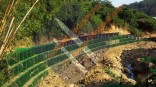
This controlled filtration reduces surface scour, minimizes sediment loss, and stabilizes slopes, riverbanks, and shorelines. In coastal environments, stacked ACEBag™ geotextile bags act as flexible revetments that adapt to ground movement without cracking or structural failure. Geotextile bags absorb hydraulic energy, making them effective for coastal protection during storms. They can be used as barriers in landfills to contain waste and prevent leachate contamination. ACEBag™ geotextile bags enhance soil strength, preventing landslides and bank failures. They support vegetation growth, providing additional natural stability over time. Geotextile bags provide structural reinforcement for building breakwaters, dykes, and retaining walls, and stacked geotextile bags can form cost-effective retaining walls as an alternative to concrete structures.
Sustainable Alternative to Traditional Materials
Compared to traditional solutions using rock, steel, or concrete, ACEBag™ geotextile bags offer a more environmentally friendly and cost-effective approach. The use of geotextile sandbags in environmentally sensitive areas minimizes disturbance to natural ecosystems. Many government agencies use geotextile bags in public infrastructure, flood control, and environmental mitigation projects, highlighting their compliance with public sector standards and suitability for large-scale applications. By utilizing locally available materials and reducing heavy material transport, ACEBag™ load stabilization bag supports sustainable construction practices while delivering reliable hydraulic and structural performance. ACEBag™ load stabilization bags are commonly used where weak or soft ground conditions cannot support construction loads. By distributing vertical and lateral forces across a larger surface area, stacked geotextile bags reduce bearing pressure and improve ground stability. Geotextile bags also provide stable foundations for infrastructure like roads and bridges in weak soil areas.
This method is widely applied in temporary access roads, working platforms, and embankment support systems. ACEBag™ geotextile bags can also be used to create new land foundations or artificial reefs when filled with dredged sediment. Compared to rigid structures, load stabilization using geotextile bags provides flexibility, faster deployment, and easier removal after project completion.
Complete Support from Design to Deployment
From product design and fabric manufacturing to bag fabrication, project consultation, and installation guidance, ACE Geosynthetics provides full technical support to ensure successful implementation of ACEBag™ geotextile bags (geotextile sandbags, geobags, bulk bags, and load stabilization bags) in hydraulic and geotechnical projects worldwide.
• Easy handling and installation to reduce installation time and costs
• High versatilityin diverse application environments
• High mechanical and filtration performance to enhance usage efficiency
• Environmentally friendly with less carbon emission
• Cost-effective
Applications
Resources
-
【Brochures】ACEBag™ Product Brochure
-
【Videos】Geosynthetic Application | How "Gabion with Geotextile Bag in Shore Protection" is done?
-
ACEBag™ Product Brochure
Related Case Studies
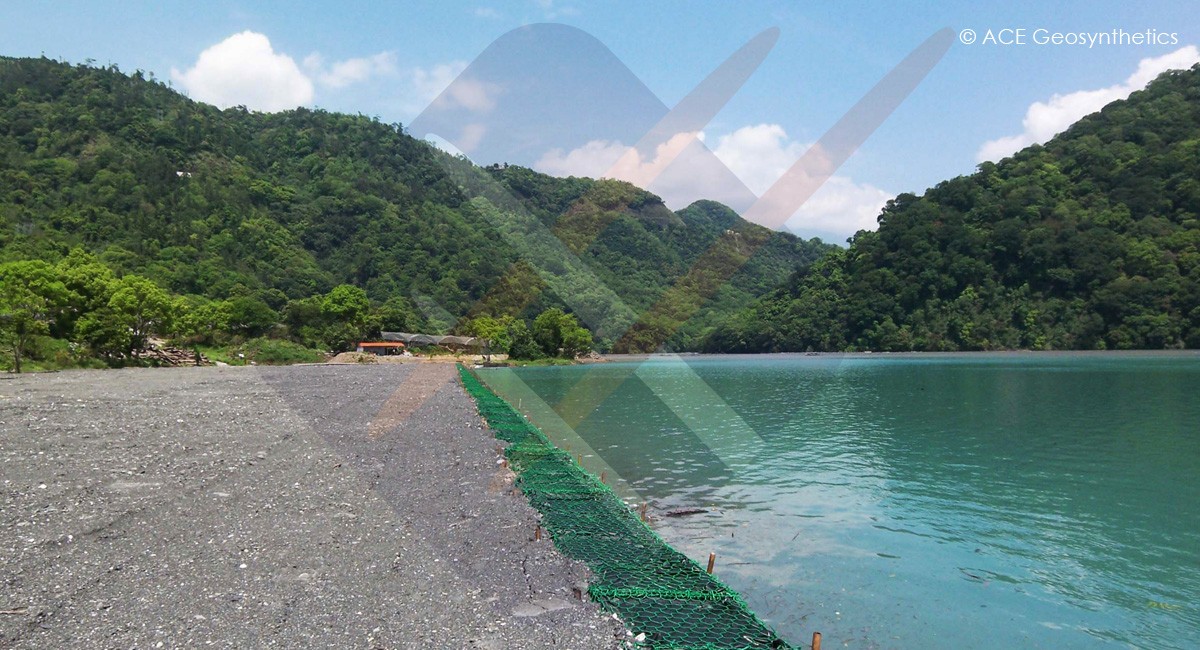
The Multifunctional Uses of ACEBag™ for Dredged Soil Containment and Cofferdam Construction, Nantou, Taiwan
Application:Sediment Dredging, Levees and Dikes
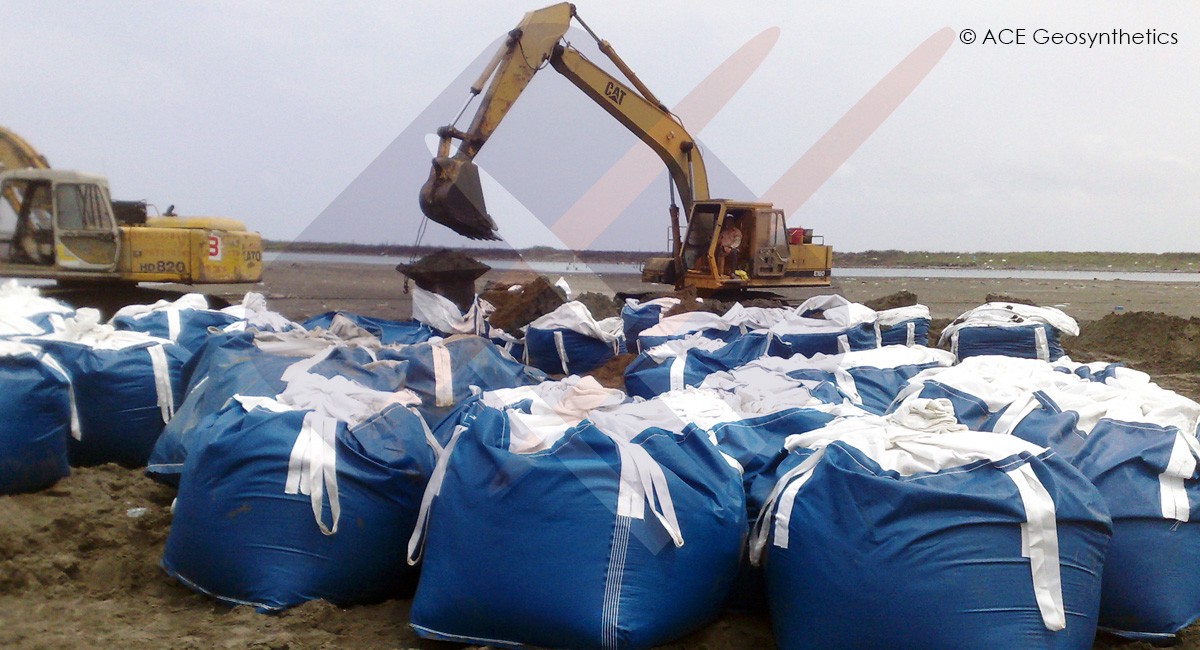
Sand Barriers Restoration, Tainan, Taiwan
Application:Breakwaters, Sand Dunes
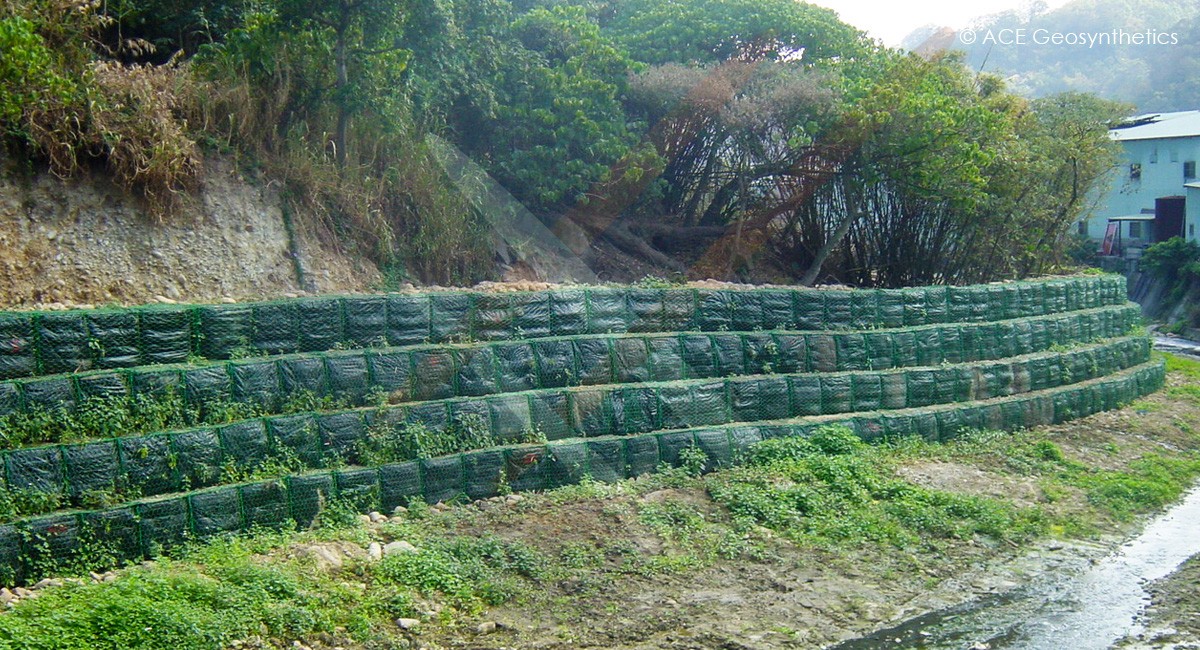
River Bank Protection, Kuanionkong Stream, New Taipei, Taiwan
Application:Revetments